
Are Your Beef Organ Supplements Adulterated? The Shocking Truth
- NXGEN Wholefoods
- Dec 12, 2025
- 7 min read
Updated: Mar 2
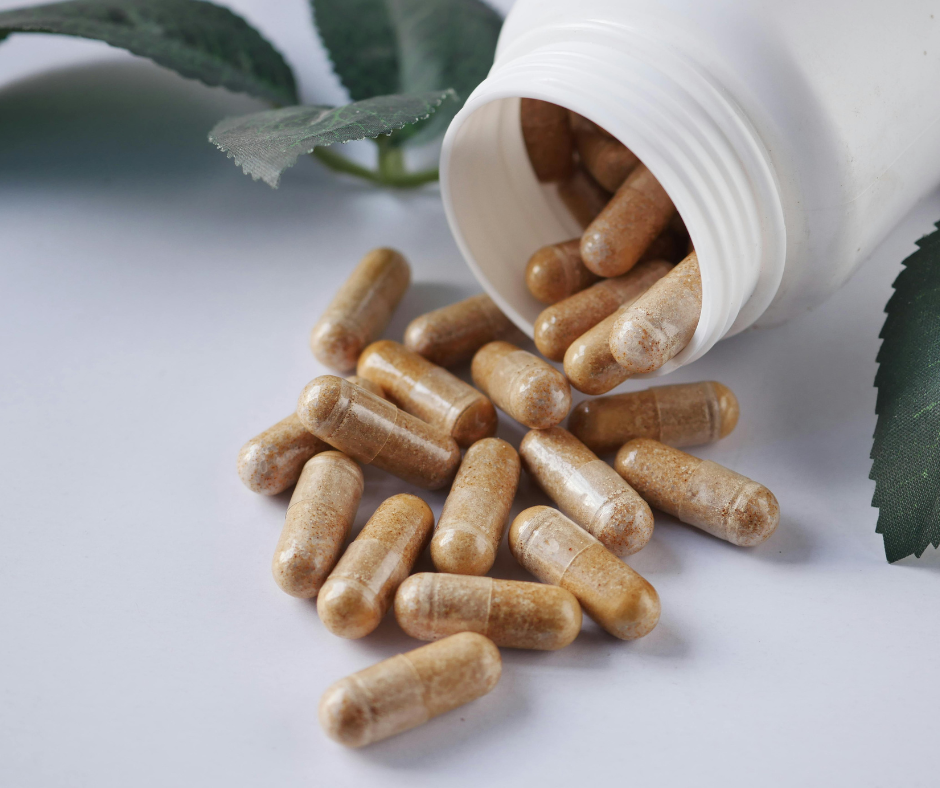
Many people are not aware that, as the popularity of beef organ supplements has grown, so has the problem of adulteration.
What Are Adulterated Beef Organ Supplements?
For as long as humans have been trading, adulteration has been a problem. From the spice trade to dangerous milk, greedy people like to ruin everything.
Adulteration is when things are added to a supplement to change its composition, or when something is removed, without changing the label.
Adulteration can occur for a number of reasons and at different stages of the manufacturing process, but it is almost always economically motivated.
Types of Beef Organ Supplement Adulteration
Adulteration of beef organ supplements generally occurs in two places. First, in the production of the raw materials, and second, during the manufacturing of the supplements themselves.
The first type is replacement with cheaper organs. A company might label a product as grass-fed and regeneratively farmed beef liver, but it contains conventionally raised beef liver.
The second type is to swap out the more expensive beef organs for conventionally raised pig organs. These organs are significantly cheaper, but are of much poorer quality. These labels will still show beef liver, even if pork liver is used. If you have ever spent time on a big conventional pig “farm”, you know you would not want to eat that.
The third type is the use of spent organs. This is where a compound is removed from the organs, and the spent material is bottled and sold as the product without disclosing it.
For example, DAO (diamine oxidase, the enzyme that breaks down histamine) is extracted from kidneys and sold as a DAO supplement. Then the remaining kidney powder, without the DAO, is sold as a kidney organ supplement without disclosing that it is missing the DAO. While it's technically still a kidney organ supplement, it won't have the same benefits because key compounds are missing.
Another example of this is pancreatic enzymes (lipase, amylase, protease, etc) being extracted from pancreas and sold as pancreatic enzymes. Then the remaining pancreas powder, without the enzymes, is sold as a pancreas organ supplement without disclosing that it is missing the enzymes. While technically it is still a pancreas organ supplement, it won't have the same benefits because key compounds are missing.
The next type of adulterant is additives. They can be a variety of substances and are used to change color, taste, texture, composition, or other features of the product. They will not be listed on the label if they are adulterating the product.
For example, companies may dilute an organ powder with cellulose that is dyed (often with banned or dangerous dyes) the same color as the organ powder, to reduce costs. A label may list 500 mg of beef liver per capsule, but may actually contain very little liver and be mainly dyed cellulose.
Another example is companies adding synthetic or isolated vitamins to their organ powders to make them appear to have higher nutrient levels, without listing on the label that they are adding them. It is done to give them a marketing advantage.
Lastly, companies may use spray-dried organ powders, which are much cheaper to produce, but label them as freeze-dried.
These are just a few of the types of adulteration problems common in beef organ supplements.

Do you know what's in your beef organ supplements?
Detection Of Beef Organ Supplement Adulteration
Properly testing for and detecting adulteration in beef organ supplements is an expensive process, which is why the vast majority of companies do not do it, and many are not even aware that the adulteration problem exists.
Depending on the type of adulteration, different testing methods would be needed. We have seen many test results (both from manufacturers and third-party labs) from companies that have their products produced by contract manufacturers, and we have yet to see any of them show adulterant testing.
How To Avoid Getting Adulterated Beef Organ Supplements
No one wants to purchase adulterated beef organ supplements. Unfortunately, there are more and more adulterated supplements on the market. Thankfully, there are several simple things you can do to protect yourself from the growing problem of supplement adulteration.
First, it’s essential to know that third-party testing is definitely not the answer to protect yourself from adulterated supplements. This might seem like a crazy statement, but let’s explore why. Many believe, based on an incredible amount of marketing, that third-party testing is the best way to know a supplement is safe. This misguided belief has given people a false sense of security and safety. Unfortunately, there are many problems with third-party testing, which makes it an unreliable way to know whether a supplement is safe and adequately tested.
Here are a few examples of the problems:
Lack of understanding of how to read them.
Most people don’t know the correct testing methods or what to test for.
Many companies don’t either (or don’t care), and this leads to many third-party test results using the wrong testing methods. This means products may appear to have good test results, but they really don’t because the wrong method was used. Unless someone has extensive experience with lab testing, they have no way of knowing whether the correct testing method was used.
Many companies test only one batch and then use third-party testing for all their marketing, with the same results for future batches.
Subsequent batches may be produced with a different source of raw materials or ingredients, so that a single batch test does not mean much.
Most third-party testing focuses on testing for a couple of things, not everything a particular supplement or ingredient should be tested for. For example, it may be tested for heavy metals or pesticides, but not adulterants, solvents, or other contaminants. This means a product that “passed” third-party testing could be full of problems.
This can also include testing for some pesticides, but not the full range. This can lead to products being advertised as free of pesticides based on third-party testing, even though they may still contain pesticides that were not tested for.
Dry labbing is a practice in which companies pay a fake lab to produce test results they want. The products are never tested, but the companies still receive “test results” they can proudly display. Unless you are familiar with the various labs in the industry and how to spot a dry lab, it’s not possible to know if companies are using this terrible practice.
Another issue is the use of counterfeit test results, which is becoming an increasingly larger problem with the rise of AI. Companies are creating fake test results with AI that are very realistic and sharing them as third-party test results.
Counterfeit test results are the result of a long-standing practice. Companies take test results from a similar company or product and replace the names and information with their own. Editing software makes this very easy.
Many companies display badges or marketing claiming they are third-party tested, yet don’t conduct any testing at all. They know they won’t get into any trouble and will make a lot of sales by doing it.
This is not a complete list of problems with third-party testing, but it illustrates why relying on something with so many issues is a terrible idea. For a more in-depth look at the problems with third-party testing, check out our blog.
Second, don’t buy your beef organ supplements from websites that allow third-party sellers, such as Amazon. There is a massive problem of counterfeit supplements being sold there. In addition, inventory from different sellers is often mixed, so you have no way to know whether you are getting the authentic product. Many of their warehouses are not properly climate-controlled, so even if you receive the real product, it is often stored under conditions that can degrade its quality.
Third, look for companies that source their fresh organs directly from farms and can trace each lot back to the farms and cows it came from, without relying on a middleman. Most beef organ supplement companies don’t have a direct relationship with the farms or source their raw organs. They rely on contract manufacturers who have bulk tubs of raw materials mixed from a vast array of suppliers, so they don’t know where the organs are coming from other than the country of origin.
Fourth, look for companies that produce their own ingredients from the raw organs. There are so few companies that do this, but it is one of the most critical steps in avoiding adulteration. Most companies purchase bulk finished raw material powders and have them sent to a contract manufacturer. This creates multiple points at which adulterants can be introduced. At the same time, it is nearly impossible to adulterate a fresh, raw organ. Look for companies that source fresh organs and dry and mill them in-house.
Fifth, look for companies that, after producing the raw materials, put the powders into capsules and bottles themselves. Most companies have contract manufacturers encapsulate and bottle the products, and then put their label on the bottle, even though they had little to nothing to do with the production. By choosing a company that does all of this itself, you eliminate one of the most significant sources of adulteration.
Beef Organ Supplements That Are Free Of Adulteration
NXGEN Wholefoods controls every part of the production process of their beef organ supplements, from getting the fresh organs directly from regenerative family farms in the Lake Eyre River Basin, to low and slow forty-eight hour freeze-drying and cryogenic milling. They also do their own encapsulating and bottling at their TGA-certified manufacturing facility. With complete control of the entire process, from farm-to-bottle, they don’t have to worry about adulterated raw materials or about their being added during manufacturing. If you want to be 100% sure your beef organ supplements are not adulterated, choosing NXGEN Wholefoods is the easy solution.


$50
Product Title
Product Details goes here with the simple product description and more information can be seen by clicking the see more button. Product Details goes here with the simple product description and more information can be seen by clicking the see more button

$50
Product Title
Product Details goes here with the simple product description and more information can be seen by clicking the see more button. Product Details goes here with the simple product description and more information can be seen by clicking the see more button.
$50
Product Title
Product Details goes here with the simple product description and more information can be seen by clicking the see more button. Product Details goes here with the simple product description and more information can be seen by clicking the see more button.


